
Start With How They Find Leaks
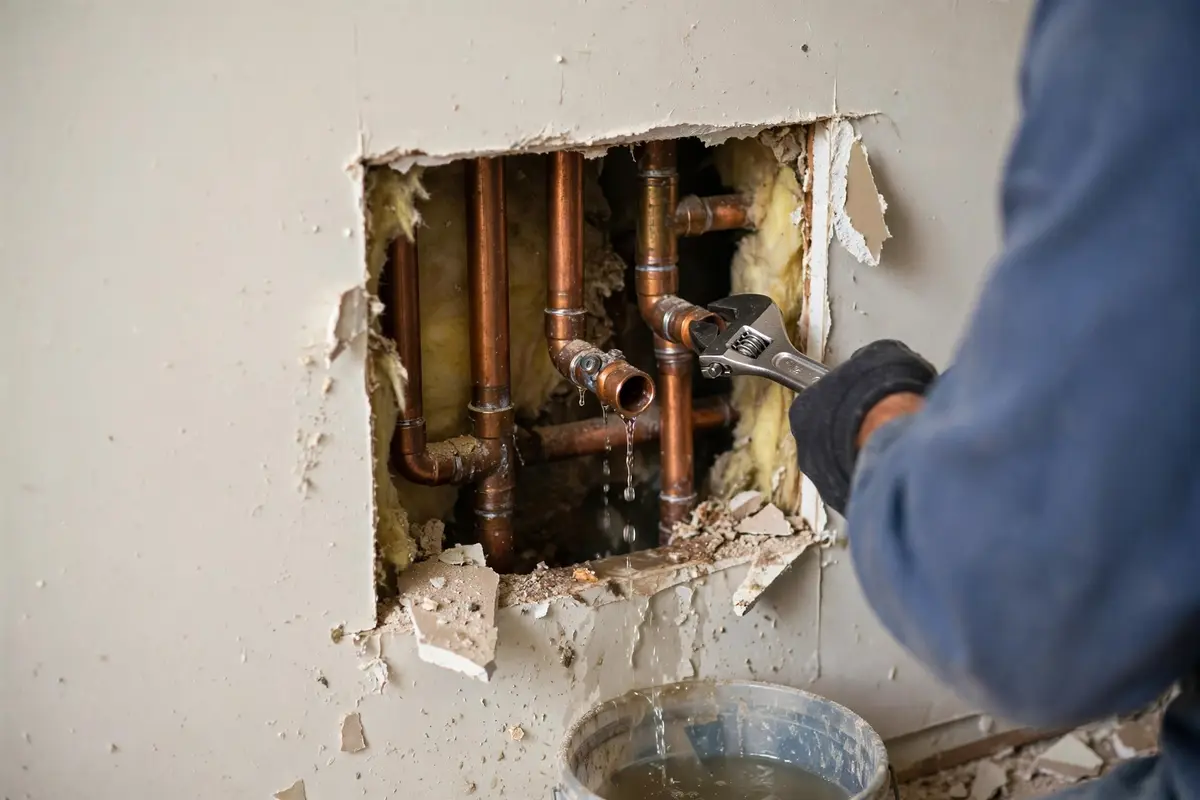
Ask any company how it locates a leak under concrete, and listen for specific methods: acoustic listening along the line, pressure testing to isolate sections, and tracing the route of pipes before opening anything. Vague answers about experience alone tell you little about the work your floor will face. Equipment names alone are not proof, so ask how results are confirmed before any repair plan is built on them. Specific answers about tools are easy to check and compare afterward.
Good detection narrows the break to a small area, which limits opening, dust, and restoration. In Manatee County, where water travels through sand away from the break, following damp alone misleads. A company that explains its equipment plainly, and when each tool is used, gives you something concrete to compare across providers. A provider who welcomes your questions about method is usually comfortable being judged on the quality of the work.
Ask for Written Findings First
Before agreeing to repair, ask for the findings in writing: where the leak is, how it was located, the condition of the surrounding pipe, and the options that fit. Written findings let you think, compare, and keep a record. They also prevent the plan from drifting once floors are open. Written findings should include a marked location, not just a room name, so the repair area stays precise later. Paper first is a simple rule that prevents most misunderstandings later on.
If a provider resists putting findings on paper, treat that as useful information in itself. Bradenton homeowners comparing two or three assessments will find that clear paperwork separates careful operators from rushed ones. Keep the documents with your home records, whichever company you choose for the repair stage, and review them again before signing anything. Photos of meter readings and test results belong in the same packet, giving you a complete record of the visit.
Pinpointing Should Come Before Digging
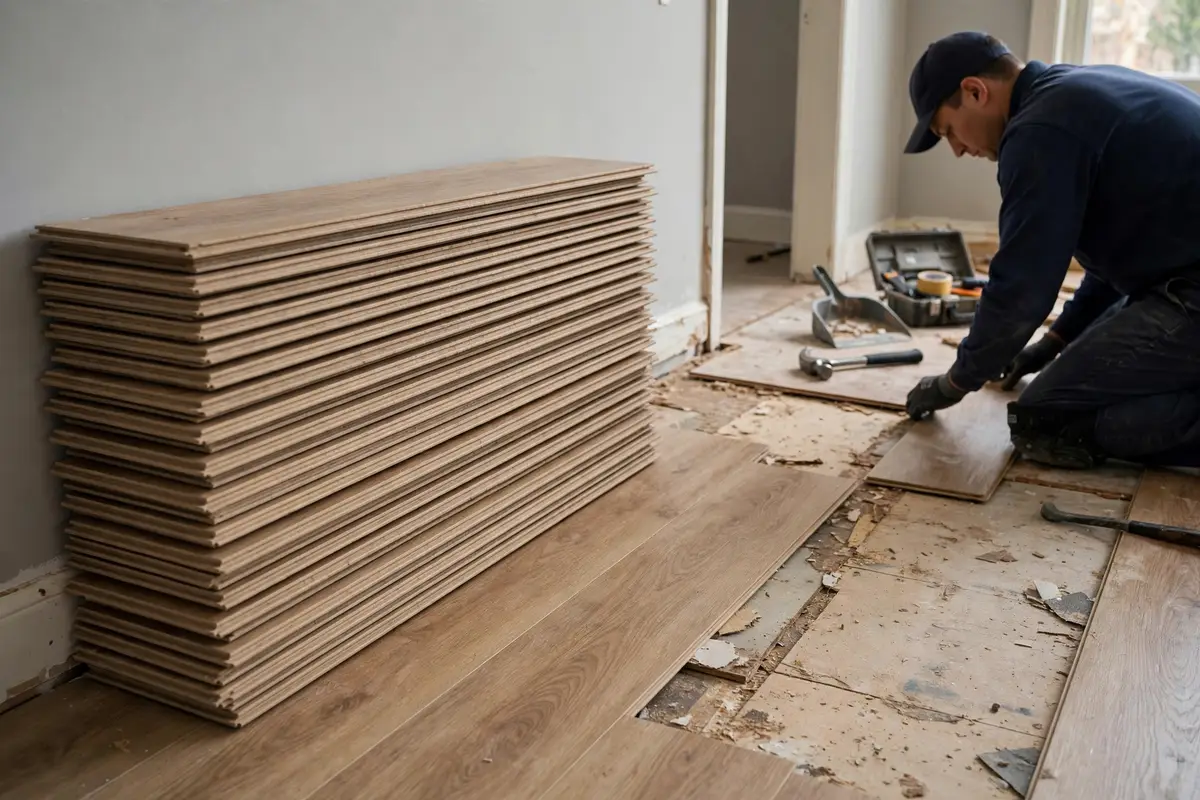
The order of operations tells you a lot: locate first, mark the spot, explain the plan, and only then open the floor if the chosen method needs it. Opening floors to search, sometimes called exploratory work, should be a last resort with a clear reason you have agreed to in advance. If a lining or reroute is proposed, the digging question may disappear, but the pinpointing question should still be answered. Each unnecessary opening adds patching, matching, and drying work to the job.
Ask what happens if the first opening does not reveal the break, and how the company avoids a second and third opening. Around the Riverwalk area and in older Bradenton housing, finishes can be hard to match, so each opening carries a real cost in restoration. Pinpoint before digging is a standard worth holding every provider to. Ask how the marked spot was verified twice, since careful crews cross check sound results with pressure results routinely.
Questions to Ask on the Phone
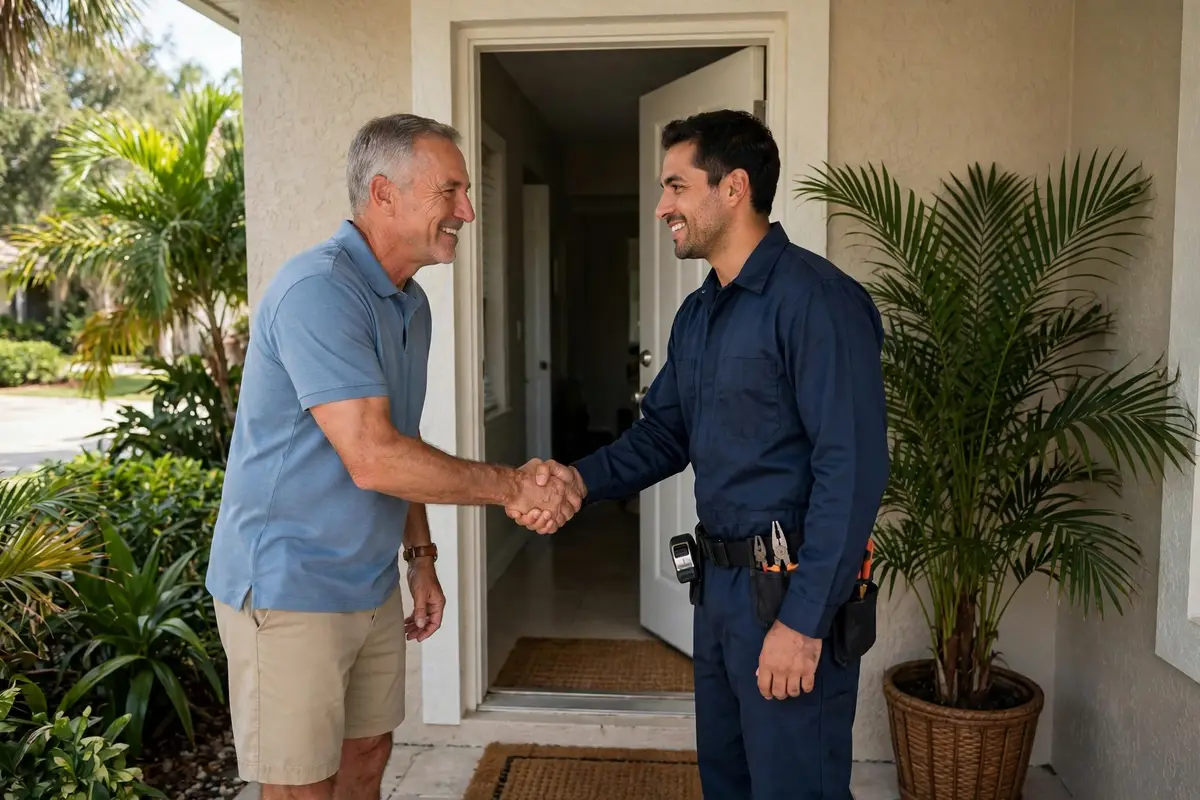
A short phone call reveals a great deal. Ask how detection is done, whether findings are written, what repair methods they offer, and how they protect floors and furniture. Ask who explains the plan before work starts, and how updates are given if conditions differ from the assessment. Notice whether the person answering can explain detection stages without rushing you toward a repair decision on that call. Take notes during the call, including names, times, and promised next steps.
Notice whether answers stay specific when you press for detail, and whether the person invites your meter readings and photos. When you call (941) 307-1712, expect that kind of exchange: your signs and readings first, then a clear outline of the visit. Apply the same test to every company on your list for a fair comparison. A calm call that ends with a clear visit plan and preparation steps is a practical sign of organized work.
Comparing Findings on Equal Ground
Compare proposals on the same points: method, scope, what is included, what restoration is excluded, and the reasoning from the written findings. The lowest scope on paper may simply leave more work unnamed. A proposal that explains why a reroute suits your pipe condition is more useful than one that only lists tasks. Restoration exclusions are common, but they should be named plainly rather than discovered after the floor is opened up. Understanding the plan yourself is the strongest protection you can bring.
Also weigh how each company handled your questions and whether timelines were described as stages rather than promises. Bradenton neighbors often share names, but your decision should rest on the findings for your slab, your flooring, and your pipe. Choose the plan you understand best, from the provider who explained it most clearly. Keep your comparison notes beside the written findings, so your final choice rests on documents rather than memory alone.
Questions About How to Choose Slab Leak Repair in Braden
What should I expect at the first visit?
Expect meter checks, listening along lines, and questions about when signs began, followed by findings explained in plain terms. Floors should not be opened during a first assessment visit without your agreement. Ask before the visit how long it takes and what access the crew needs.
Is it reasonable to get a second assessment?
Yes. A second written assessment is a reasonable step before opening finished floors, especially when the first plan involves a large opening. Share that you are comparing findings, and judge each provider on clarity. Keep both sets of paperwork, since together they show the range of options.
What if a company wants to dig on the first day?
Ask what pinpointing has been done, where the mark is, and why opening now is necessary. If the answers stay vague, pause and get the reasoning in writing before agreeing. Targeted opening after detection is normal; opening to search is a different thing entirely.
How do I judge answers about repair methods?
Look for methods tied to your pipe condition and layout, with alternatives and tradeoffs named, rather than one method offered for every home. Ask why a spot repair, reroute, or lining fits or does not fit your case. Specific reasoning, calmly given, is the marker to trust.